
 See Our Latest Article on HelloNation
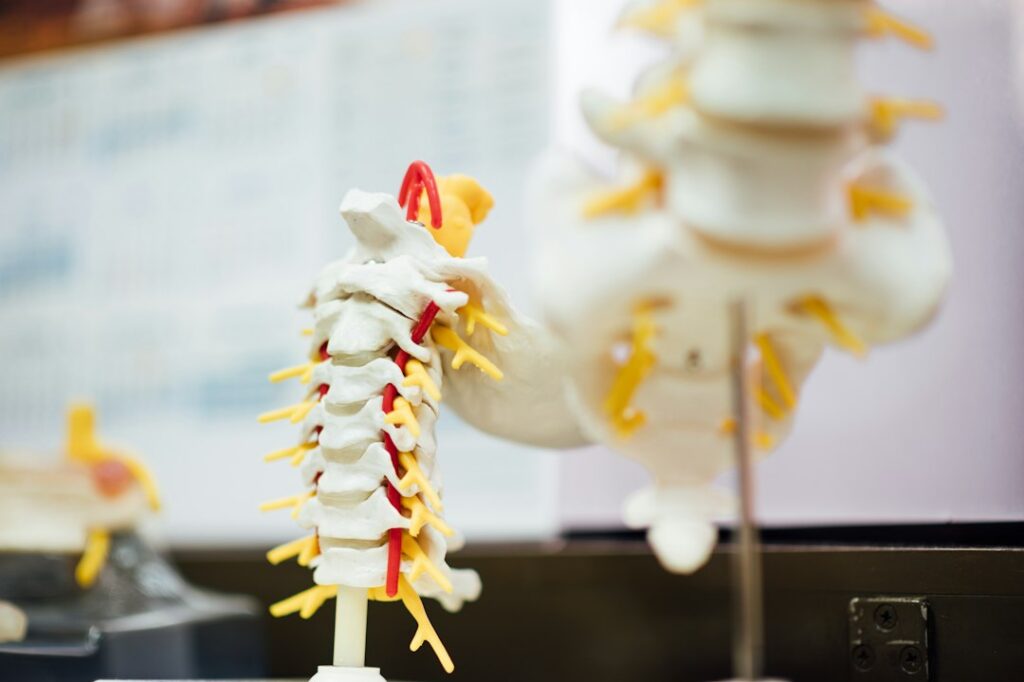
Clicking, popping, or grinding sounds in the neck are common and often harmless. These noises may come from normal joint movement, shifting tissues, muscle tension, or age-related changes. The sound alone usually matters less than what accompanies it, such as pain, stiffness, numbness, weakness, dizziness, or a recent injury.
What causes clicking in the neck?
Neck clicking is often caused by small changes in pressure inside the joints or by tendons and ligaments moving across nearby structures. The medical term for joint noise is crepitus, which can describe popping, crackling, grating, or grinding sensations.
Common causes include:
- Gas movement in a joint: Small gas bubbles can form or shift in the fluid-filled spaces of the neck joints. This may create a brief pop when turning or tilting the head.
- Tendons or ligaments moving: Soft tissues may glide over bone as the neck changes position. A tight muscle or altered posture can make this movement more noticeable.
- Temporary stiffness: Remaining in one position for a long time can make the neck feel stiff and noisy when movement resumes.
- Joint wear over time: Cartilage and other joint structures can gradually change with age. These changes may produce crackling or grinding, sometimes without causing pain.
- Muscle tension: Stress, prolonged screen use, driving, reading, or repetitive work can increase tension around the neck and shoulders. In a community where winter weather may keep people indoors for longer periods, extended device use or stationary activities can contribute to stiffness.
A click does not automatically mean that a bone is out of place or that damage is occurring.
Is neck clicking without pain usually serious?
Clicking without pain, swelling, loss of motion, or neurological symptoms is usually not an emergency. Many people notice occasional sounds when they look over a shoulder, stretch after sleeping, or change position at a desk.
The sound may become more frequent with age or during periods of increased stiffness. It can also seem louder in a quiet room, especially when a person is paying close attention to it.
Still, repeated or worsening clicking deserves more attention if it is accompanied by discomfort or if the neck feels unstable. The pattern matters:
- An occasional pop with comfortable movement is generally less concerning.
- Clicking with persistent pain may indicate irritated joints, strained muscles, or another musculoskeletal problem.
- Grinding with restricted movement may be associated with joint changes or inflammation.
- A sudden new sound after a fall, collision, or sports injury should not be dismissed.
Can posture and daily habits make neck clicking worse?
Yes. Posture does not usually create a serious neck problem by itself, but it can increase muscle fatigue and joint stress. Holding the head forward while using a phone or laptop places more demand on the muscles at the back of the neck.
Common contributing habits include:
- Looking down at a phone for long periods
- Working at a computer without changing position
- Driving with the head turned or shoulders elevated
- Sleeping with the neck twisted or unsupported
- Repeatedly rotating the neck to make it “pop”
- Carrying bags or equipment on one side for extended periods
The goal is not to maintain a rigid posture. Healthy neck movement includes changing positions regularly, keeping the shoulders relaxed, and allowing comfortable motion throughout the day.
Short movement breaks can help. Gently turning the head within a comfortable range, rolling the shoulders, and standing up periodically may reduce stiffness. Forceful stretching or fast twisting is not necessary.
Is it safe to crack your own neck?
Occasional, gentle movement that produces a natural pop is generally different from forcefully twisting or pulling the neck to create a sound. Repeated self-manipulation can irritate muscles and joints, particularly if it is done aggressively or becomes a frequent response to discomfort.
A person who feels compelled to crack the neck repeatedly may be dealing with stiffness, muscle tension, restricted movement, or an underlying source of pain. The sound does not correct posture or permanently realign the spine.
Avoid forceful neck cracking after an injury or when symptoms such as arm pain, tingling, numbness, dizziness, or unusual headaches are present. Sudden, forceful neck movements are rarely associated with serious blood-vessel problems, but the possibility is one reason not to use aggressive techniques.
When does clicking require medical attention?
Clicking should be evaluated when it occurs with ongoing pain, increasing stiffness, or a noticeable reduction in normal neck movement. It is also worth seeking medical guidance if symptoms continue for several weeks, interfere with sleep or daily activities, or repeatedly return.
More urgent evaluation is appropriate after significant trauma, such as a motor-vehicle collision, fall, or contact-sports injury, especially if symptoms are getting worse.

Seek urgent medical care for neck symptoms accompanied by:
- New or worsening weakness in an arm or leg
- Numbness or pins-and-needles sensations
- Difficulty walking, balancing, or coordinating the hands
- Severe or rapidly worsening pain
- Loss of bladder or bowel control
- Severe headache, fainting, confusion, or repeated vomiting
- Double vision, trouble speaking, trouble swallowing, or facial numbness
- An electric-shock sensation traveling into the back or limbs
These warning signs are not typical of ordinary joint noise.
What can help reduce harmless neck clicking?
The sound itself does not always need treatment. If clicking is linked to stiffness or muscle tension, practical steps may include:
- Change position every 30 to 60 minutes during desk or screen work.
- Keep frequently used screens near eye level rather than continually looking downward.
- Use comfortable, controlled neck movements instead of forceful twisting.
- Apply warmth to tense muscles if it feels soothing.
- Maintain regular activity, including walking and gentle shoulder movement.
- Review sleeping positions if clicking and stiffness are worse upon waking.
- Avoid repeatedly testing or provoking the sound.
Local seasonal routines can also affect symptoms. Shoveling, snow removal, carrying firewood, preparing outdoor equipment, or spending long periods indoors with screens can place extra demand on the neck and shoulders. Gradually warming up before strenuous tasks and taking short breaks can reduce muscle fatigue.
Does clicking mean arthritis or a “slipped” vertebra?
Not necessarily. Clicking alone cannot diagnose arthritis, a disc problem, or a vertebra being “out of place.” Joint sounds may occur in people with no significant structural disorder, and some people with arthritis have little or no audible clicking.
A meaningful assessment considers the entire picture: pain, movement, strength, sensation, injury history, duration, and how symptoms affect daily function. Imaging is not automatically needed for a painless click. It is generally considered when the history and examination suggest a more specific problem.
For residents of Chester, NY, the practical takeaway is simple: an occasional neck pop without pain or other symptoms is usually a normal movement-related noise. Persistent clicking with discomfort, reduced motion, or nerve-related symptoms deserves careful evaluation rather than repeated self-cracking.
