
 See Our Latest Article on HelloNation
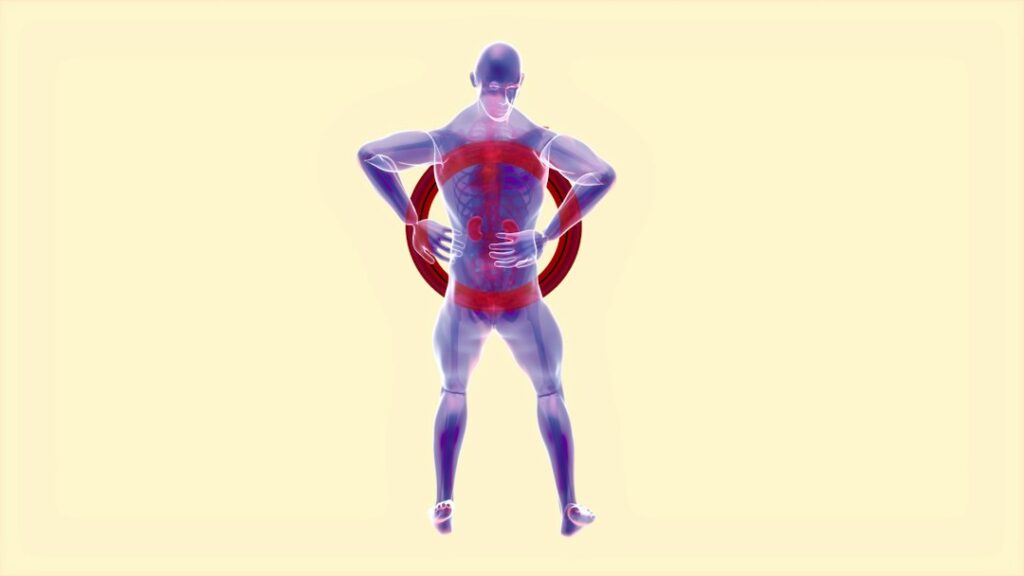
Scoliosis is a sideways curvature of the spine that may also involve rotation of the vertebrae. Chiropractic care may help some people manage related pain, stiffness, movement limitations, or muscle imbalance, but current evidence does not show that spinal adjustments can reliably straighten a scoliosis curve or stop it from progressing.
For residents of Chester, NY, the most useful approach is to understand the difference between managing symptoms and treating the underlying spinal curve.
What is scoliosis?
Scoliosis is more than a temporary posture problem. It is a structural change in the spine, often identified during childhood or adolescence but also found in adults. The curve may be mild and stable, or it may progress during periods of rapid growth.
Common signs include:
- Uneven shoulders or shoulder blades
- One hip appearing higher than the other
- Clothes hanging unevenly
- A noticeable shift of the trunk to one side
- Rib prominence when bending forward
- Back fatigue or discomfort, especially in adults
Some people have no symptoms at all. In adolescents, mild scoliosis often does not cause back pain. New or significant pain, particularly in a child or teenager, deserves evaluation rather than being automatically blamed on scoliosis.
Can chiropractic care correct scoliosis?
No reliable evidence shows that chiropractic adjustments permanently correct a structural scoliosis curve. Adjustments may temporarily influence joint movement, muscle tension, or the way a person feels, but that is different from changing the measured angle of the spine.
This distinction matters because a person may stand straighter or feel less restricted after treatment without the scoliosis itself having improved. A reduction in discomfort should not be interpreted as proof that the curve is reversing.
Chiropractic care should therefore be viewed, at most, as a possible supportive option for selected symptoms—not as a replacement for monitoring, bracing, or specialist treatment when those are indicated.
What symptoms might chiropractic treatment help manage?
Some adults with scoliosis also experience mechanical back pain, tight muscles, reduced mobility, or irritation related to uneven loading of the spine. A carefully designed treatment plan may include gentle manual therapy, mobility work, strengthening, posture education, and home exercises.
Potential goals may include:
- Improving comfortable range of motion
- Reducing muscle guarding or stiffness
- Supporting general strength and conditioning
- Helping a person return to ordinary activities
- Managing short-term episodes of back discomfort
These goals are symptom-focused. They do not mean that the curve is being corrected.
Treatment should be modified for the individual. Forceful techniques may not be appropriate for someone with osteoporosis, spinal instability, inflammatory disease, recent trauma, neurological symptoms, or other health conditions. Temporary soreness, stiffness, headache, or increased discomfort can occur after spinal manipulation. A thorough health history is essential before treatment.
What treatments are medically used to monitor or manage scoliosis?
The appropriate plan depends on age, curve size, location, cause, symptoms, and how much growth remains.
For many children and adolescents with smaller curves, observation is appropriate. Periodic examinations and, when necessary, imaging help determine whether the curve is stable or changing.
For a growing child with a moderate curve or documented progression, bracing may be recommended. The goal of a brace is generally to reduce the risk of progression during growth, not to permanently straighten the spine.
For larger or progressive curves, especially when growth is continuing, a spine specialist may discuss surgical treatment. Surgery is not appropriate for every person with scoliosis, but delaying needed evaluation in favor of unproven care can allow a progressing curve to go unnoticed.
Physical therapy may also be useful for strength, breathing mechanics, balance, pain management, or scoliosis-specific exercise. It should complement—not replace—the monitoring plan for a growing child with a significant curve.
Does a person with scoliosis need an X-ray before chiropractic care?
Not every person with back pain needs imaging, and imaging decisions should be based on the clinical situation. However, an existing scoliosis diagnosis, a suspected change in the curve, significant trauma, unexplained pain, or neurological findings may make medical evaluation and appropriate imaging especially important.

An X-ray can help measure the curve and establish whether it is changing over time. A visual posture check alone cannot determine the severity of scoliosis.
For children and teenagers, the degree of growth remaining is a major factor. A curve that is stable in a fully grown adult may require a different plan from a similar curve in a child who is still growing.
When should someone seek prompt medical evaluation?
Scoliosis with sudden, severe, or unusual symptoms should not be managed solely with routine manual care. Prompt medical attention is appropriate for:
- New weakness, numbness, or loss of coordination
- Pain traveling down an arm or leg
- Loss of bladder or bowel control
- Fever, unexplained weight loss, or feeling generally ill
- Pain that wakes someone repeatedly at night
- Significant pain after a fall or collision
- Rapidly changing appearance of the spine
- Breathing difficulty associated with a large curve
- Back pain in a young person that is persistent or worsening
These signs do not necessarily mean a serious condition is present, but they warrant a more complete evaluation.
What should families consider locally?
Seasonal conditions can affect how people experience musculoskeletal symptoms. During colder months, less outdoor activity, indoor sitting, shoveling, and slips on icy surfaces may increase stiffness or aggravate back pain. These issues can occur alongside scoliosis without being caused by the curve itself.
Helpful habits include maintaining regular movement, using safe lifting techniques, gradually building core and hip strength, and avoiding long periods in one position. Children should generally remain active unless a qualified clinician has identified a specific restriction. Walking, recreational activity, and age-appropriate exercise are often compatible with scoliosis.
A backpack, desk setup, or sleeping position may influence comfort, but these factors do not create most structural scoliosis cases. Adjusting them can reduce strain without changing the underlying curve.
What is a realistic role for chiropractic care?
Chiropractic care may have a limited, supportive role when the goal is comfort, mobility, and function. It should not be presented as a proven method for reversing scoliosis, preventing progression, or avoiding medically indicated bracing or surgery.
A reasonable care plan should acknowledge the diagnosis, account for the person’s age and health history, track meaningful symptoms, and coordinate with medical or rehabilitation professionals when the curve is progressive, severe, painful, or associated with neurological findings.
The central question is not simply whether an adjustment feels helpful. It is whether the overall plan safely addresses the person’s symptoms while ensuring that a changing spinal curve is recognized and appropriately monitored.
