
 See Our Latest Article on HelloNation
Sports-related back injuries are often linked to sudden increases in activity, poor movement habits, inadequate recovery, or trying to continue through pain. Residents participating in school sports, recreational leagues, running, cycling, hiking, strength training, or seasonal outdoor activities can reduce risk by preparing the body gradually and paying attention to early warning signs.
What causes sports-related back injuries?
Most sports-related back problems develop from repeated stress rather than one dramatic accident. The lower back absorbs force during running, jumping, lifting, twisting, and sudden changes in direction. If the hips, legs, abdominal muscles, or upper back are not working effectively, the lumbar spine may take on more load than it should.
Common contributors include:
- Starting a new sport or training program too intensely
- Increasing mileage, weight, speed, or practice time too quickly
- Repeated bending and twisting
- Poor lifting technique
- Limited hip or hamstring mobility
- Weakness in the muscles supporting the trunk and pelvis
- Fatigue late in practice or competition
- Returning to activity before an earlier injury has healed
A back injury can involve muscles, ligaments, joints, discs, or, less commonly, a bone stress injury. Pain that repeatedly returns after activity deserves attention rather than being treated as a normal part of training.
How should athletes warm up before activity?
A useful warm-up gradually raises body temperature and rehearses the movements required by the sport. Five to ten minutes of easy movement, such as brisk walking, light jogging, or gentle cycling, can be followed by controlled dynamic exercises.
Examples include:
- Walking lunges
- Hip circles
- Leg swings
- Bodyweight squats
- Arm swings and trunk rotations
- Short, easy practice movements related to the sport
Static stretching, in which a position is held for a longer period, may be more comfortable after activity or during a separate flexibility session. A warm-up should not create sharp pain, intense fatigue, or a feeling of strain.
For activities such as soccer, basketball, tennis, or skiing, the warm-up should also include gradual changes in speed and direction. The body should not go directly from standing still to sprinting, jumping, or forceful twisting.
Which exercises help protect the back?
Back protection depends on the coordinated strength of the entire trunk, hips, and legs. A strong core is not simply a matter of doing many sit-ups. Muscles must be able to stabilize the spine while the arms and legs move.
Exercises commonly used for general conditioning include:
- Bird-dog movements
- Front or side planks
- Glute bridges
- Bodyweight squats
- Step-ups
- Hip hinges
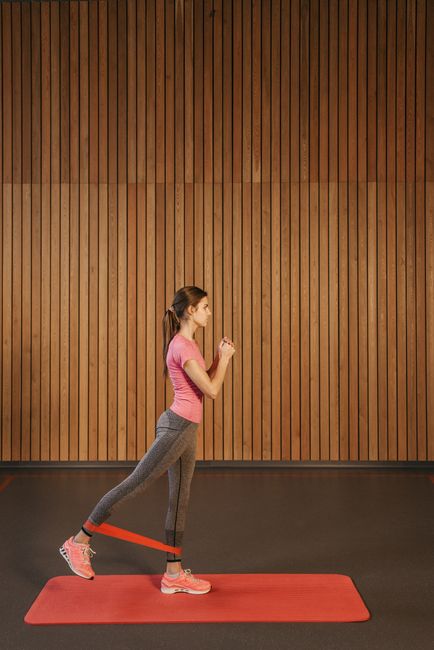
- Controlled resistance-band exercises
The goal is steady control, not maximum difficulty. During strengthening, keep the spine in a comfortable neutral position, breathe normally, and stop if pain becomes sharp, radiating, or progressively worse.
A qualified health professional may be needed to modify exercises for someone with a known spinal condition, recent injury, numbness, weakness, or a history of surgery. General exercises are not appropriate for every person or every diagnosis.
How can athletes use safer lifting and movement mechanics?
Many back injuries occur during ordinary training tasks rather than during competition. Lifting equipment, moving weights, carrying sports bags, or picking up a child can all place stress on the back when performed while twisting or rushing.
Use these habits:
- Face the object before lifting it.
- Keep the load close to the body.
- Bend through the hips and knees rather than rounding deeply through the lower back.
- Tighten the abdominal muscles gently before the lift.
- Turn with the feet instead of twisting while holding weight.
- Ask for help with awkward or heavy equipment.
- Lower objects with the same control used to lift them.
A hip hinge is especially useful in strength training. It allows the hips to move backward while the spine remains controlled. Learning this pattern with a light object is safer than practicing first with a heavy barbell, kettlebell, or loaded box.
How quickly should training progress?
Training should increase gradually enough that the body can adapt. A sudden change from limited winter activity to intense spring practices, long-distance running, or frequent games can overload tissues before strength and endurance have caught up.
Increase only one major training factor at a time, such as:
- Distance
- Practice duration
- Resistance
- Speed
- Number of weekly sessions
Include easier days and full rest when needed. Sleep is part of recovery because fatigue can reduce coordination and make poor technique more likely. A day of rest does not erase fitness; it can help preserve it.
In Chester, NY, seasonal changes may affect activity patterns. Cold weather can reduce outdoor training for part of the year, while warmer months may bring a rapid return to field sports, running, cycling, gardening, or recreational activities. A gradual transition is safer than attempting to regain several months of conditioning in a few sessions.
Does hydration affect back injury risk?
Hydration does not prevent every back injury, but dehydration and heat stress can contribute to fatigue, cramping, reduced concentration, and poorer movement control. These factors may increase the chance of awkward landings, missed steps, or lifting errors.
Drink fluids regularly rather than waiting until intense thirst develops. On hot or humid days:
- Begin activity well hydrated.
- Take planned water breaks.
- Reduce intensity during the hottest part of the day when possible.
- Use lighter clothing and seek shade during rest periods.
- Stop if dizziness, unusual weakness, confusion, or faintness develops.
Cold-weather activity also requires attention to fluids. People may sweat less visibly and forget to drink, even during demanding exercise.
Should an athlete play through back pain?
Mild muscle soreness after unfamiliar activity may improve with rest and gentle movement. Sharp pain, pain that travels into the buttock or leg, repeated spasms, or symptoms that worsen during activity should not be ignored.
Stop the activity and seek medical evaluation promptly for:
- Numbness, tingling, or weakness in a leg
- Loss of bladder or bowel control
- Severe pain after a collision or fall
- Fever or unexplained illness with back pain
- Pain that prevents normal walking
- Night pain that is persistent or worsening
- Back pain in a child or teenager that repeatedly returns with sports
Continuing to compete through significant pain can turn a manageable problem into a longer recovery. Returning to sports should be gradual, with normal walking, daily movement, strength, and sport-specific drills restored before full competition.
What should parents and coaches watch for?
Young athletes may minimize pain because they do not want to miss practice or disappoint teammates. Adults should watch for changes in posture, limping, guarded movement, reduced speed, frequent stretching of the back, or a reluctance to bend and rotate.
A safer sports culture allows athletes to report symptoms without embarrassment. Coaches and parents can help by building in warm-ups, rest breaks, hydration opportunities, and gradual conditioning. Equipment should be carried in a way that avoids excessive one-sided loading, and training plans should account for school activities, work, sleep, and other sports.
Preventing back injuries is less about avoiding movement and more about preparing for it. Consistent conditioning, sensible progression, good lifting mechanics, recovery, and early attention to symptoms allow local athletes and active households to stay involved while reducing unnecessary strain.
