
 See Our Latest Article on HelloNation

What Are Trigger Points?
Trigger points are sensitive spots within muscles that can cause pain either at the site or in other areas. These small, tight knots form when muscle fibers remain contracted, preventing healthy blood flow and causing discomfort or even referred pain. Local residents often describe these as “muscle knots” that just won’t seem to relax. In Chester, NY, where daily life includes everything from gardening and shoveling in winter to long commutes, this type of muscle tension is common.
Trigger points can be active—producing pain without any pressure—or latent, which are only painful when touched. People often confuse these with common muscle soreness, but trigger points tend to be more persistent and can disrupt sleep or daily activity.
What Causes Trigger Points to Develop?
Muscle overuse, poor posture, repetitive tasks, and even stress can contribute to the formation of trigger points. For instance, shoveling snow in the winter, carrying heavy bags from the local grocer, or hunching over desks are all routine activities in Chester, NY that might encourage trigger points to develop.
Other contributing factors include:
- Acute injuries (like slips on icy sidewalks)
- Holding awkward positions for long periods (frequent for home office workers)
- Emotional stress, leading to muscle tension
- Lack of movement or sedentary routines, particularly during cold months
While nearly anyone can develop these knots, factors such as age, hydration, and sleep can make individuals more prone to ongoing problems.
How Do Trigger Points Feel? What Are Common Symptoms?
Most people notice a dull, aching pain, sometimes paired with a tight band under the skin. Some common experiences shared by area residents include:
- Localized tenderness—pressing into the spot worsens the pain
- Referred pain that appears somewhere else from the source (for example, a knot in the neck causing headaches)
- Stiffness, sometimes making it tough to move fully
- Occasional tingling, burning, or weakness if the knot irritates nearby nerves
It’s easy to assume pain is coming from joints or bones when, in reality, tight muscle fibers are the root of the discomfort.
Are Trigger Points the Same as Regular Muscle Soreness?
No; muscle soreness from everyday activities, such as raking leaves or walking hilly streets, typically resolves within a couple of days. Trigger points linger for weeks or more and often cause predictable pain with certain movements, unlike the general ache of regular muscle soreness.
A key difference is that trigger points can restrict range of motion and trigger symptoms with very light touch or pressure, while sore muscles usually react more to direct movement or use.
How Can People in Chester, NY Manage or Prevent Trigger Points?
A few practical steps can help reduce the likelihood of developing trigger points or ease discomfort if they arise. These don’t require special equipment and can be adapted to the unique routines typical in Chester:
- Regular movement: Break up long periods of sitting or repetitive tasks with gentle stretching throughout the day.
- Proper posture: Pay attention to ergonomics, especially for people working at desks or home offices.
- Stay hydrated: Muscles recover better when the body is well hydrated—helpful advice during both humid summers and dry winters.
- Gentle heat: Warm compresses or warm showers can loosen tight muscle fibers.
- Self-massage: Applying gentle, prolonged pressure with a tennis ball or foam roller can ease many mild trigger points.
- Balanced activity: Alternate tasks that use different muscle groups, especially during seasonal chores like gardening or snow removal.
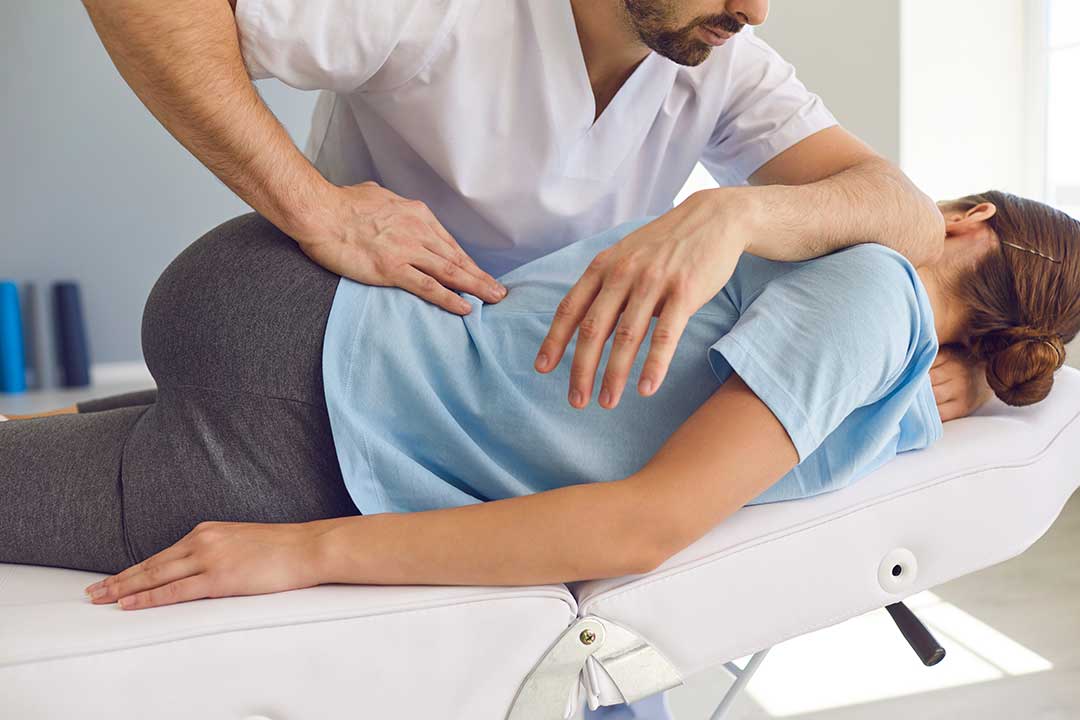
It’s also wise to use supportive footwear and maintain a regular sleep schedule, both of which help reduce overall muscle stress.
What Are Common Misconceptions About Muscle Knots?
Some assume that every sore spot is a trigger point, or that these knots always require intense, painful treatments to resolve. In reality:
- Not every muscle ache is caused by trigger points; underlying conditions or injuries can mimic these symptoms.
- Overly aggressive massage or home treatments can actually worsen pain or cause bruising.
- The “popping” or “cracking” sound during stretching is not a sign that a knot has released.
Understanding the actual cause of persistent pain is key, and safe stretches or gentle self-care are often most effective.
When Should Residents Seek Professional Guidance?
Most minor trigger points get better with self-care, stretching, and environmental changes. However, if muscle pain is severe, persistent, or associated with swelling, numbness, or sudden weakness, further evaluation may be necessary, as these could indicate nerve or other medical concerns.
Local community members who notice that pain interferes with daily life, sleep, or returns frequently, may benefit from a professional opinion to rule out other causes and receive tailored guidance.
